
Pharmaceutical Sales Trends Texas 2025: Tech, CRM, and Marketing
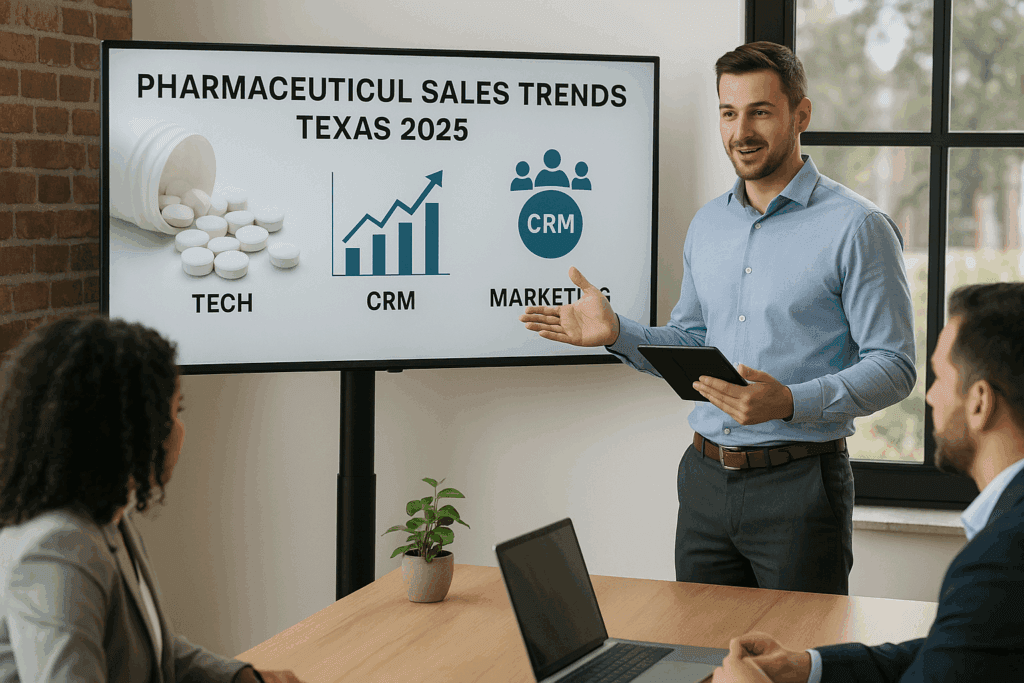
Key Takeaways
- Major shifts in technology, data analytics, CRM systems, and digital marketing are transforming pharmaceutical sales in Texas.
- Virtual detailing and hybrid engagement models enhance reach and efficiency across Texas’s vast geography.
- Advanced data analytics and AI-driven systems drive precise targeting and territory optimization.
- Emerging tech like AI-powered targeting, mobile sample apps, and telehealth integrations accelerate adoption.
- Unified CRM platforms streamline compliance, performance tracking, and customer engagement.
Hire Medical Sales Representatives Easily
MDliaison is an exclusive network of top medical sales reps for healthcare organizations across the US. Hire part-time, full-time, or flex contract sales talent.
I WANT TO HIREIntroduction
Pharmaceutical sales trends Texas 2025 are reshaping how medicine gets from manufacturers to patients across the Lone Star State. Major shifts in technology, data analytics, CRM systems, and digital marketing are transforming how pharmaceutical field forces operate throughout Texas. These changes represent critical opportunities for sales professionals to enhance their effectiveness and drive growth.
Texas continues to be a powerhouse in the pharmaceutical industry, with brand-name manufacturing accounting for 2.6% of the state’s GDP and growing at an impressive 5.4% CAGR from 2020-2025. This outpaces many other regions and highlights the state’s importance in the national pharmaceutical landscape.
In this comprehensive guide, we’ll explore the evolving pharmaceutical sales environment in Texas through 2025, examining market outlook, emerging technologies, CRM optimization strategies, and digital marketing approaches that are revolutionizing the industry.
Deep Dive into Pharmaceutical Sales Trends Texas 2025
Market Outlook & Growth Drivers
The pharmaceutical marketplace in Texas is experiencing remarkable momentum, outpacing the U.S. average due to several key factors:
- Population growth across major metropolitan areas
- Rising per-capita income driving healthcare spending
- Shifts in payer models including private insurance expansion
- Increased R&D investment from major pharmaceutical firms
These trends are creating a robust environment for pharmaceutical sales growth throughout the state.
The U.S. pharmaceutical market as a whole is forecast to reach an astonishing $979.25 billion by 2033, with Texas positioned as one of the top-performing states in this expansion.
County-level growth in major population centers like Harris, Dallas, and Tarrant is particularly noteworthy, matching patterns in new business formation and healthcare coverage expansion. This localized growth creates targeted opportunities for pharmaceutical sales teams with the right data and tools.
Well-prepared sales organizations can capture significant share by leveraging local market intelligence and targeted engagement strategies.
Virtual Detailing & Hybrid Engagement
Virtual detailing—the practice of presenting compliant product information to healthcare providers (HCPs) through remote audio/video calls—has become a permanent fixture in pharmaceutical sales trends Texas 2025. What began as a pandemic necessity has evolved into a strategic advantage.
This shift toward digital engagement wasn’t temporary. Data shows that pharmaceutical companies are increasingly adopting omni-channel approaches that blend email campaigns, educational webinars, and remote calls with traditional in-person visits.
- Reach more HCPs across Texas’s vast geography
- Reduce travel expenses while maintaining relationships
- Accommodate busy provider schedules with flexible options
- Deliver consistent messaging across multiple touchpoints
As the pandemic served as a catalyst, the efficiency gains have cemented these practices as standard operating procedure moving forward.
Role of Data Analytics
Real-time analytics have become the backbone of successful pharmaceutical sales operations in Texas. Advanced AI-driven systems now provide:
- Customer segmentation based on prescribing patterns
- Territory optimization to maximize rep efficiency
- Performance dashboards tracking key metrics
- Predictive insights to guide strategic decisions
These analytical capabilities enable sales teams to identify high-value targets with precision, optimize their territories for maximum impact, and track performance against key indicators—making decisions based on concrete data insights rather than intuition.
Technology in Pharmaceutical Sales Texas
Emerging Tech Overview
The technological transformation of pharmaceutical sales in Texas is accelerating rapidly, with several key innovations taking center stage:
- AI-powered targeting systems analyze vast datasets to identify which healthcare providers should be prioritized based on prescribing potential, patient demographics, and practice patterns.
- Mobile sample apps have revolutionized the traditional sample process, allowing reps to track sample requests, deliveries, and compliance requirements through secure mobile interfaces.
- Telehealth integrations embed video-call capabilities directly into CRM systems, enabling seamless virtual product demonstrations and medical information exchanges.
Texas-based pharmaceutical sales teams are adopting these digital health platforms at an accelerating rate, recognizing their potential to enhance efficiency and compliance while improving HCP relationships. Source
Case Study 1: Rural Health Network
A pharmaceutical team serving rural Texas communities implemented an e-detailing platform that allowed representatives to conduct virtual product presentations with physicians in remote areas. This initiative increased monthly call volume by 25% while reducing travel time and expenses.
Case Study 2: Houston-Area Sales Force
A major pharmaceutical sales team operating in the Houston metropolitan area deployed digital sampling kiosks in high-traffic medical centers. This technology reduced sample waste by 15% while ensuring better tracking and compliance with regulations.
Implementation Best Practices
Successfully integrating new technologies requires careful planning and execution. Texas pharmaceutical sales leaders should focus on:
- Evaluating interoperability – Ensure new tools can seamlessly connect with existing CRM, ERP, and compliance systems to prevent data silos and workflow disruptions.
- Phased rollout – Begin with a pilot program involving approximately 10% of representatives, gather user feedback, and refine processes before full-scale implementation.
- Comprehensive training – Develop hands-on workshops, video tutorials, and interactive Q&A forums to build confidence and competence among users.
- Ongoing support – Establish a dedicated helpdesk for technical issues and conduct monthly tech-adoption reviews to identify challenges and opportunities.
This methodical approach to technology implementation helps pharmaceutical sales organizations in Texas maximize return on investment while minimizing disruption to daily operations. Learn more
CRM Tools for Pharmaceutical Sales Texas
Importance of Unified CRM
A unified CRM system serves as the command center for modern pharmaceutical sales operations in Texas. These comprehensive platforms integrate:
- Call logging and activity tracking
- Sample management and inventory control
- Compliance documentation and audit trails
- Performance metrics and KPI monitoring
The regulatory environment for pharmaceutical sales demands meticulous record-keeping. CRM tools for pharmaceutical sales Texas include robust compliance modules that automatically generate audit trails, manage consent documentation, and produce regulatory reports.
This unified approach eliminates the inefficiencies and compliance risks associated with fragmented systems while providing a complete view of customer interactions across channels and touchpoints.
Top CRM Platforms
Several CRM platforms have emerged as leaders for pharmaceutical sales teams in Texas:
- Veeva CRM offers life-sciences-specific workflows designed around the unique needs of pharmaceutical sales. Its strengths include integrated e-detailing capabilities, closed-loop marketing functionality, and robust compliance features built specifically for pharma.
- Salesforce Health Cloud provides highly customizable dashboards and healthcare-specific features such as Health Cloud Voice for automated call logging, MuleSoft for seamless system integration, and advanced analytics for performance tracking.
- Microsoft Dynamics 365 for Pharma combines powerful analytics with social selling tools like Power BI for data visualization, LinkedIn Sales Navigator integration, and Azure security compliance features.
Onboarding & Adoption Tips
Successful implementation of CRM tools requires attention to three critical areas:
- Data Hygiene – Enforce standardized fields (NPI numbers, HCP specialties, etc.), schedule quarterly data audits to maintain accuracy, and implement validation rules to prevent incomplete entries.
- User Adoption – Gamify the adoption process with leaderboards and recognition, identify and reward early adopters who can mentor colleagues, and create short-form video tutorials for specific workflows.
- ROI Measurement – Establish baseline metrics before implementation (call coverage, sample-to-prescription conversion, etc.), track improvements on a monthly basis, and share success stories to reinforce value.
These strategies help ensure that CRM investments deliver meaningful improvements in sales effectiveness and compliance for pharmaceutical teams throughout Texas.
Digital Marketing
Digital marketing in pharmaceutical sales is evolving with personalized email campaigns, targeted social media advertising, and educational content strategies designed to engage healthcare providers. By leveraging data-driven insights, marketing teams can optimize campaign performance and ensure compliant messaging.
Frequently Asked Questions
What are the key pharmaceutical sales trends in Texas for 2025?
The main trends include widespread adoption of virtual detailing, AI-driven analytics for territory optimization, emerging technologies like mobile sample apps and telehealth integrations, and the centralization of sales operations within unified CRM systems.
How does virtual detailing benefit sales representatives?
- Expands reach across remote and rural areas - Reduces travel time and related expenses - Provides flexible scheduling to accommodate busy HCPs - Ensures consistent, compliant messaging across channels
Which CRM platforms are most popular with Texas pharmaceutical teams?
Veeva CRM, Salesforce Health Cloud, and Microsoft Dynamics 365 for Pharma are leading choices thanks to their life-sciences-specific workflows, compliance features, and advanced analytics capabilities.
How can data analytics improve sales performance?
By leveraging real-time dashboards, customer segmentation, territory optimization, and predictive insights, sales leaders can make strategic decisions based on concrete data—maximizing call efficiency, focusing on high-value targets, and tracking performance against key metrics.